Mastering Heavy Coastal Highway Engineering
The Karadeniz Black Sea Coastal Highway Project (1993-2004) stands as one of the most complex maritime and mountain highway engineering achievements in Eurasia. Spanning 542 kilometers along the mountainous, storm-prone Black Sea shoreline, the expressway connects 6 maritime provinces and international trade corridors with Georgia and the Caucasus.
Engineering Consortium Synergies
Delivered by GY & Sons Holding alongside leading international civil engineering corporations, the joint venture conquered extreme sea wave action, landslide-prone coastal mountains, and deep sea-bed foundations through heavy rock-armored breakwaters and advanced NATM tunnel excavation.
Advanced Marine & Mountain Civil Engineering
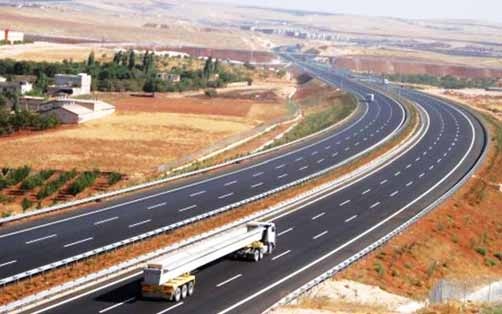
6-Lane Expressway Paving
542 km of 6-lane dual-carriageway heavy-duty polymer-modified asphalt concrete engineered to resist coastal salt spray, freeze-thaw cycles, and heavy commercial truck loads.
- 14 million m² heavy asphalt paving
- High-friction anti-skid surface layer
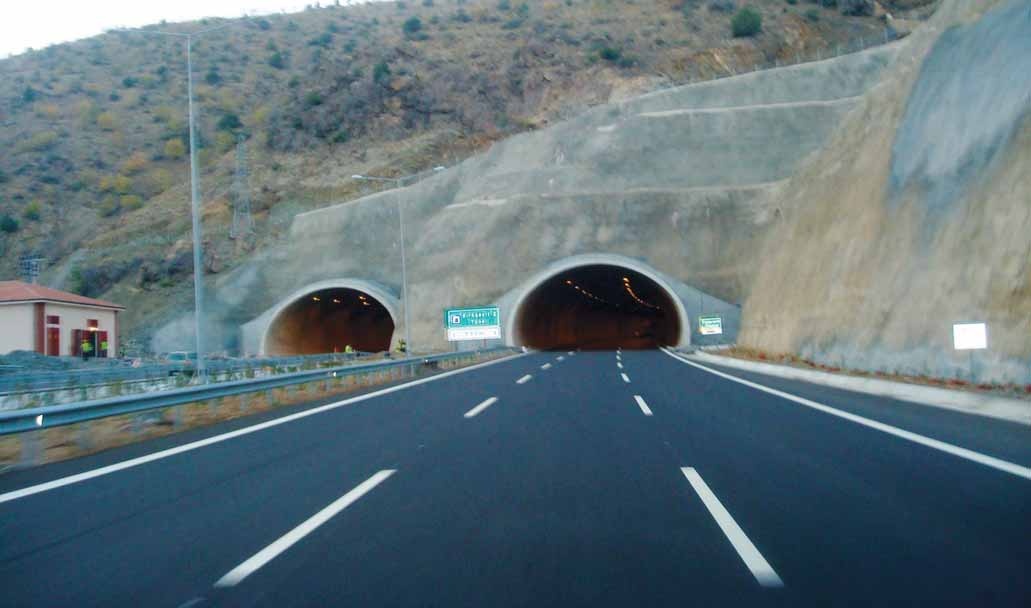
26 NATM Mountain Tunnels
Construction of 26 twin-tube highway tunnels totaling 28 kilometers carved through granite and shale coastal mountain ranges using New Austrian Tunneling Method (NATM).
- Shotcrete lining & rock-bolt stabilization
- Automated jet-fan ventilation & lighting
32 Sea Viaducts & River Bridges
32 pre-stressed concrete viaducts spanning sea bays, tidal estuaries, and mountain river valleys, resting on deep rock-socketed foundation piers.
- Total viaduct bridge length: 16.5 km
- Marine-grade anti-corrosion concrete
38 Rock Breakwaters & Sea Reclamation
Installation of 38 heavy tetrapod and rip-rap rock-armored sea breakwaters along 120 km of coastline, reclaiming land from the sea while protecting the highway embankment.
- 25 million tons of armor rock placed
- Storm wave dissipation & coastal protection
5-Phase Coastal Highway Execution Methodology
Sea Embankment Dumping & Tetrapod Breakwater Placement
Dumping over 25 million tons of heavy quarry rock into the Black Sea, building robust sea protection embankments and deploying 15-ton concrete tetrapod armors to dissipate severe storm waves.
26 Mountain Tunnel Drilling & Shotcrete Lining
Drilling and blasting 28 kilometers of twin-tube highway tunnels through coastal cliffs using NATM techniques, installing waterproof membranes, reinforced shotcrete linings, and emergency cross-passages.
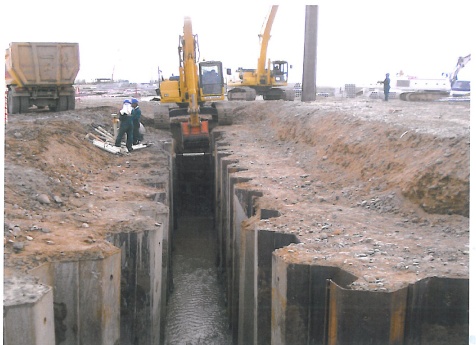
Deep Sea-Bed Pier Piling & Viaduct Girder Launching
Drilling 2.5-meter diameter marine concrete piles into sea-bed rock, erecting tall bridge piers, and placing pre-stressed concrete box girders across 32 coastal sea bays and rivers.
Multi-Layer Polymer Asphalt Paving & Storm Runoff Channels
Laying 3-tier polymer-modified asphalt concrete across 542 kilometers, accompanied by heavy concrete retaining walls, rock-fall netting, and high-capacity storm water drainage channels.
Intelligent Traffic Management (ITS) & Corridor Commissioning
Installation of electronic variable message signs (VMS), CCTV traffic monitoring, automated tunnel ventilation SCADA controls, LED street lighting, and official highway commissioning.
Coastal Highway Visual Gallery

Black Sea Trade & Economic Empowerment
International Trade Corridor
Transformed trade connectivity across 6 Black Sea provinces, connecting Turkey directly to Georgia, Russia, and the Caucasus freight corridors.
70% Accident Reduction
Replaced narrow single-lane winding mountain roads with a safe, modern 6-lane dual-carriageway, reducing traffic accidents by over 70%.
Regional Economic Boom
Spurred industrial development, port expansions, agricultural export growth, and coastal tourism along the entire 542 km corridor.