Industrial Agro-Processing Tin Canning Factory
Turnkey Industrial Packaging Facility Preserving Legumes, Sweet Corn, Navy Beans, Kidney Beans, and Pulses Cultivated Across the Malawi Mega Farm into 3+ Year Shelf-Stable Tin Cans for Sovereign Export.
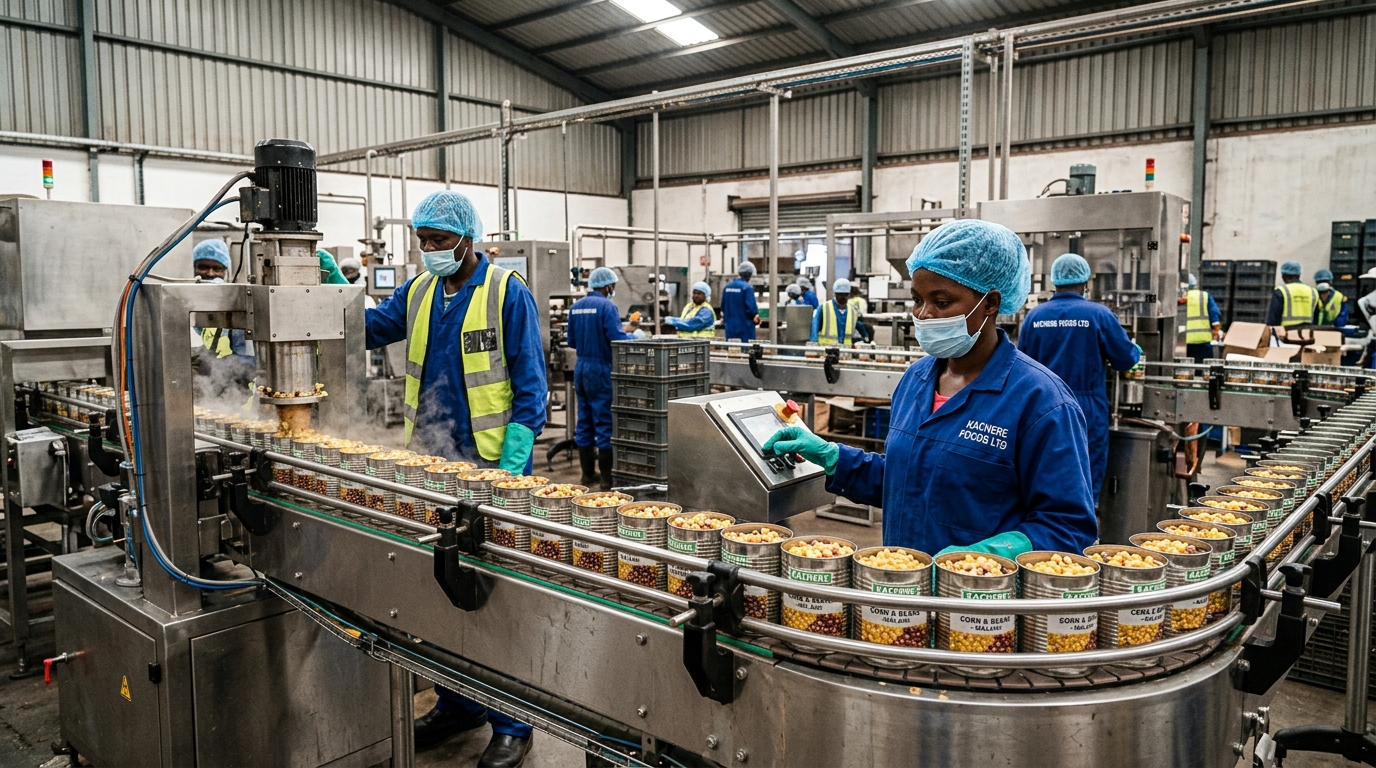
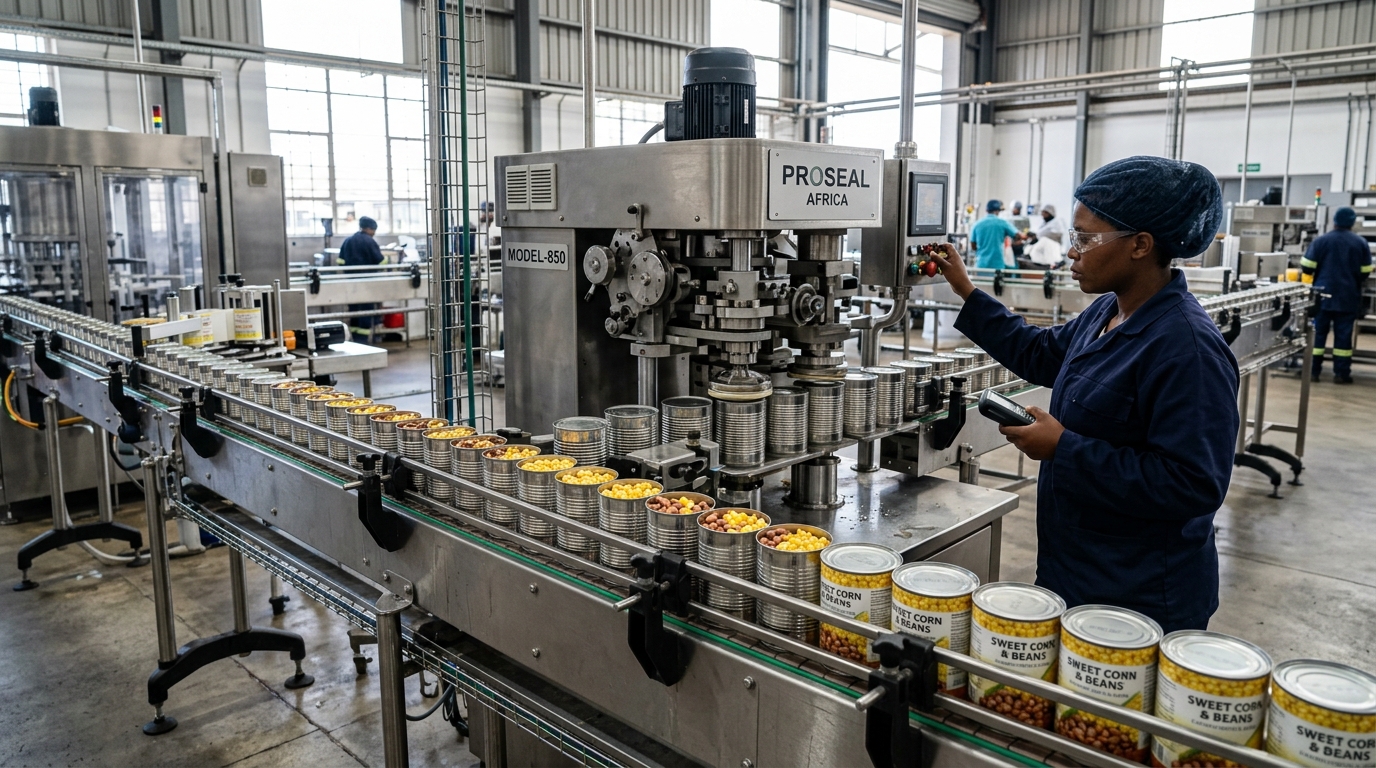
Overcoming Landlocked Export Delays & Crop Preservation
As a landlocked nation without direct sea access, Malawi experiences extended border and transit delays when moving fresh agricultural produce. Perishable fresh harvests frequently suffer spoilage before reaching international ports.
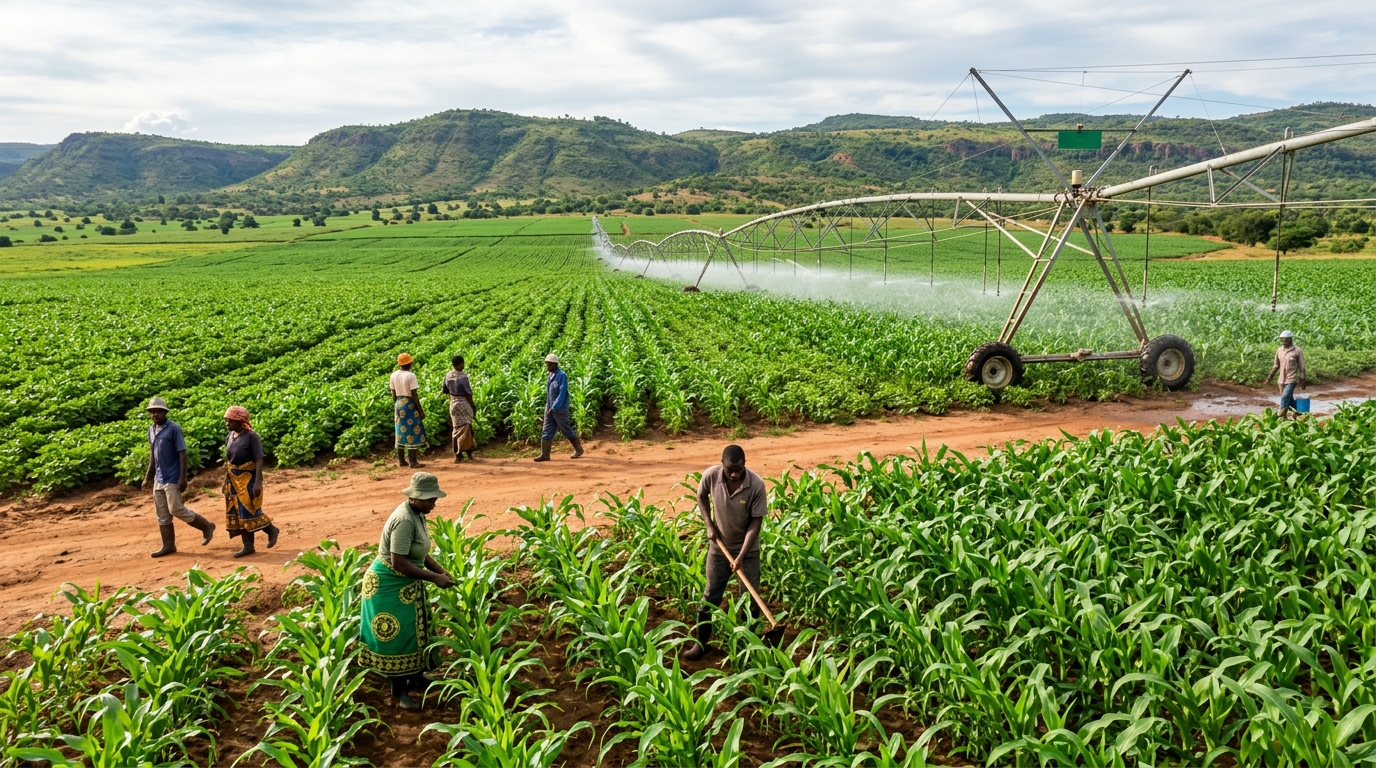
The Industrial Tin Canning Factory is the Ultimate Solution: By transforming sweet corn, navy beans, kidney beans, chickpeas, and lentils harvested across the 40,000 Ha Mega Farm into hermetically sealed tin cans within hours of harvest, product shelf life is extended to 3+ years without cold-storage requirements. Canned produce can be safely transported via overland corridors and sea routes across Africa, Middle East, and Europe—bringing vital Foreign Currency (Forex) back to Malawi.
From Field Harvest to Sealed Export Can
Click through the interactive workflow stages below to explore how the Tin Canning Factory processes crops.
Automated Washing & Optical Sorting
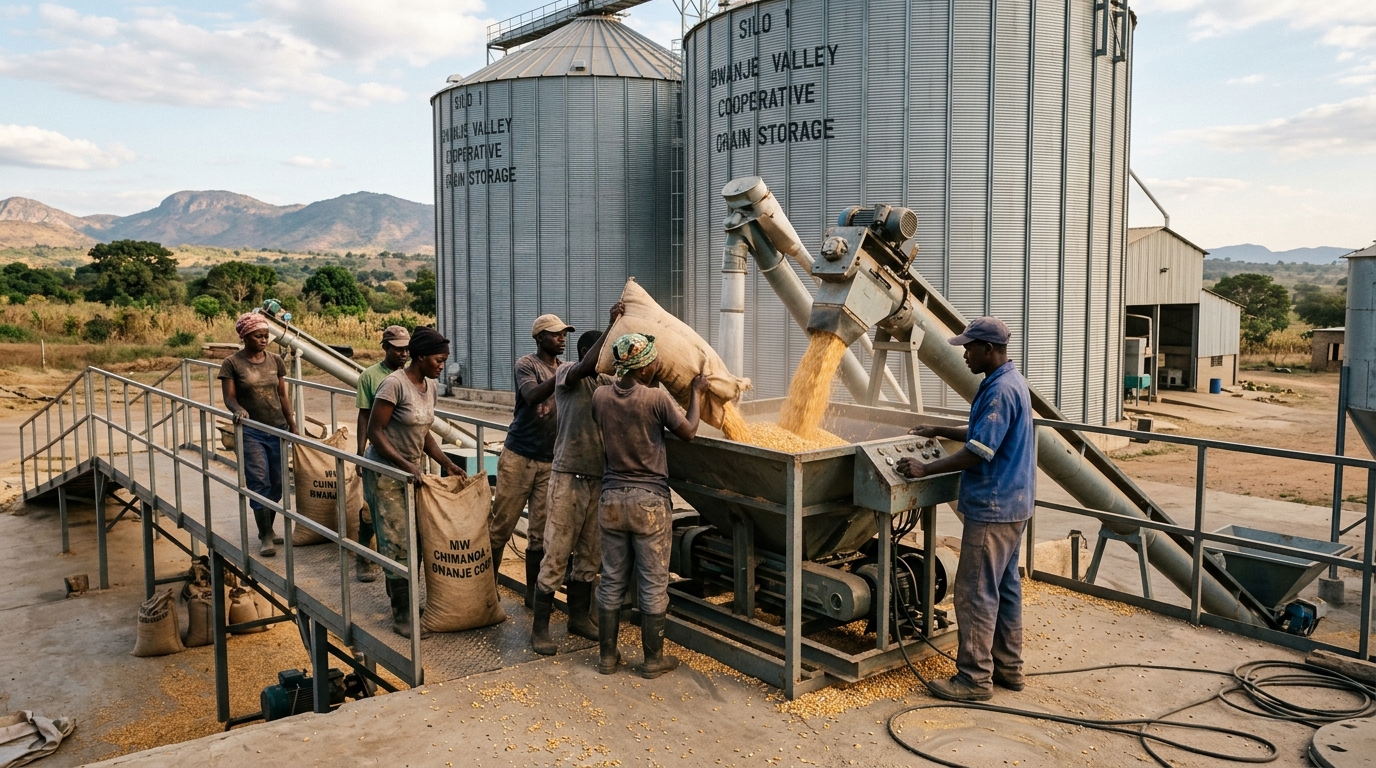
Freshly harvested sweet corn, navy beans, kidney beans, and pulses arrive directly from the Mega Farm blocks via automated tipper trucks. Produce passes through multi-stage ultrasonic flume washers and high-resolution optical color sorters to remove husks, stones, and imperfect grains.
Steam Blanching & Automated Can Dosing
Cleaned legumes and corn kernels undergo rapid steam blanching to preserve natural color, texture, and vitamins. Multi-head electronic weighers dose precise crop measurements (400g retail or 3kg institutional formats) into food-grade enamel-lined tin cans, followed by warm brine injection.
Hermetic Seaming & High-Pressure Autoclaves
Double-seamer heads hermetically crimp tin lids under a nitrogen flush atmosphere to prevent internal oxidation. Sealed cans are loaded into high-pressure steam retorts cooked at 121°C for 25 minutes, achieving commercial sterility and extending shelf life to 3+ years.
Automated Labeling, Shrink-Wrap & Global Shipping
Cans pass through X-ray metal detectors and vacuum lid inspectors before high-speed inkjet labeling. Automated robotic arms shrink-wrap cases into export-ready wooden pallets, staged for tarmac truck convoys bound for regional SADC nations and maritime shipping corridors.
Factory & Crop Operations Gallery
Deploying automated tin canning lines, crop sorting flumes, and heavy transport logistics.
Key Technical & Operational Features
Multi-Crop Processing Lines
Dual high-speed automated lines designed to handle sweet corn, navy beans, kidney beans, chickpeas, lentils, and mixed pulses without line cross-contamination.
Pressure Retort Autoclaves
Continuous steam pressure retorts cooking sealed cans at 121°C, locking in natural flavors and nutritional value while guaranteeing 3+ year stability.
Hermetic Can Double-Seamers
Precision German-engineered double-seaming machines executing 100% airtight seals under nitrogen-flush atmospheres for maritime shipping protection.
On-Site ISO Quality Control Lab
Dedicated quality assurance laboratory performing batch incubation testing, vacuum pull checks, and nutritional lab analysis for export certification.
High-Density Export Warehousing
Automated palletizing and shrink-wrap staging facility capable of staging 50,000 MT of canned goods for scheduled export convoys.
Guaranteed Farmer Buyback Program
Contractual outgrower program offering fixed baseline pricing for smallholder bean and corn farmers, eliminating market price collapse.
Engineering & Production Parameters
Benefits for Malawi and Farming Communities
Forex Generation & Economic Stability
Canned legume exports return hard foreign currency to Malawi's central bank reserves, strengthening national currency reserves.
Industrial Job Creation
Over 1,200 direct factory technician, engineering, logistics, and managerial positions created for local Malawians.
Strategic National Food Reserves
Provides emergency non-perishable food reserves for national security during climate droughts or flood disruptions.
Partner with GY & Sons Industrial Division
Inquire about off-take agreements, equipment partnerships, or commodity trading contracts for our Malawi Tin Canning Facility.
Contact Agro-Industrial Division